
Husky Air Compressor Tools
Husky air compressors can power a wide range of pneumatic tools for automotive work, construction, woodworking, home repairs, and DIY projects. The right air tool depends on the job, but the compressor also needs to provide enough CFM and PSI for the tool.
This page lists Husky air compressor tools and accessories, including blow guns, drills, impact tools, air hammers, grinders, sanders, spray guns, nailers, and other pneumatic equipment. Use the list above to find the type of tool you need and compare available models and specifications.
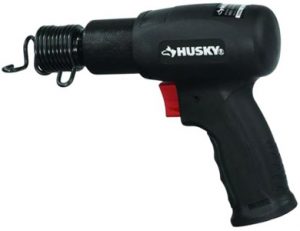
Husky Medium Stroke Air Hammer, H4630 Model
Husky Medium Stroke Air Hammer is the one of the most popular air hammers on the market. It has a…

Husky 12 pc Brass Compressor Kit
These connectors are made of solid brass, ensuring absolutely no corrosion or rusting over time. Eliminate coupler confusion with hassle-free…
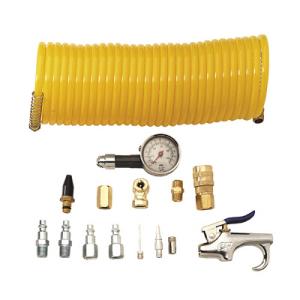
Husky 16 pc Accessory Air Tool Kit
This Husky air compressor parts amazing and speaks for itself. You can do everything what you want: inflate balls, tires,…
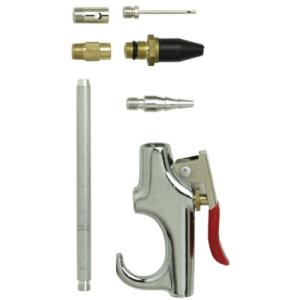
Husky 7 pc Blow Gun Kit
These parts are simple to use, very affordable, and an absolute must-have for any garage. This is the essential minimal…

Husky 17 pc Inflation Kit
Husky 17 pc Inflation Kit This Husky air compressor accessory kit consists of: 2 Quick Change Couplers 2 Quick Change…
Common Husky Air Compressor Tools
Air Blow Guns
Blow guns use compressed air to remove dust, dirt, debris, and moisture from work surfaces and equipment. They are useful in garages, workshops, and general maintenance. A blow gun has a low air requirement compared with many powered pneumatic tools, so even smaller compressors can often handle this type of work.
Air Drills
Pneumatic drills use compressed air to turn a drill bit. They are often used for automotive repairs, metal work, and shop projects. Air drills are lighter than many electric drills and can run continuously as long as the compressor can provide enough airflow.
Check the drill’s CFM requirement before choosing a compressor. A compressor that cannot maintain the required airflow may cause the tool to slow down during use.
Impact Wrenches and Air Ratchets
Impact wrenches are common in automotive work. They use compressed air to produce high torque for removing and installing nuts and bolts. Air ratchets are smaller and are useful when working in tighter spaces.
These tools can have a higher air demand than blow guns and nailers. Check the tool’s CFM requirement and operating pressure, especially if you plan to use it frequently.
Air Hammers
Air hammers use compressed air to move a piston back and forth at high speed. They can be used for tasks such as removing rusted parts, cutting metal with the correct attachment, separating components, and light metal work.
Air hammers can consume a significant amount of air during continuous operation, so compressor CFM is important when choosing a model for this type of tool.
Grinders and Sanders
Pneumatic grinders and sanders are used for metal preparation, body work, surface finishing, and other shop applications. These tools can require a steady supply of compressed air.
Because grinders and sanders often run continuously, CFM is more important than tank size. A large tank can provide a temporary air reserve, but the compressor still needs enough output to keep up with the tool.
Spray Guns and Airbrushes
Air spray guns use compressed air to apply paint, coatings, primers, and other materials. Airbrushes use much smaller amounts of air and are designed for detailed work.
Spray guns can have different CFM requirements depending on the gun design and application. Check the manufacturer’s specifications and make sure the compressor can provide the required airflow at the correct PSI.
Nailers and Staplers
Pneumatic nailers and staplers are common for construction, woodworking, trim work, and framing. They usually use air in short bursts rather than continuously.
Because these tools operate intermittently, a smaller compressor may be suitable even when the tool has a relatively high peak air demand. Tank size can help provide stored air between compressor cycles.
If you need replacement parts or accessories for your compressor, see our Husky Air Compressor Parts page.
How to Choose a Compressor for an Air Tool
The most important specifications to compare are CFM, PSI, and tank size.
CFM measures the amount of air the compressor can deliver. Compare the compressor’s CFM with the tool’s CFM requirement at the same PSI. Continuous-use tools such as grinders, sanders, and spray guns usually need more airflow than tools that operate for only a few seconds at a time.
PSI measures air pressure. Many pneumatic tools operate around 90 PSI, but requirements vary by tool. Always check the tool’s recommended operating pressure.
Tank size determines how much compressed air is stored. A larger tank can provide a larger reserve for intermittent tools, but it does not increase the compressor’s actual CFM output.
It is also useful to leave some CFM capacity above the tool’s minimum requirement, especially if the tool will be used frequently or for long periods.
Air Tools for Different Jobs
Different pneumatic tools are suited to different applications:
- Automotive: impact wrenches, air ratchets, drills, grinders, and air hammers
- Construction: framing nailers, finish nailers, staplers, and blow guns
- Woodworking: nailers, staplers, sanders, and blow guns
- Metal work: grinders, drills, air hammers, and sanders
- Painting: spray guns and airbrushes
- General maintenance: blow guns, inflators, and small pneumatic tools
Before buying or using an air tool, check its required CFM and PSI and compare those numbers with your Husky compressor.
Browse the Husky air compressor tools in this category to find tools for your garage, workshop, construction projects, automotive repairs, and other applications.